Brand Ambassadors Vs Real Promotion of Sports : What Nation Can Learn From ( British ) Indian Railways .
Rajiv Upadhyay
Every time there is an Olympic , there is a familiar rant about our gross under representation in the medal tally while our once sleepy , opium addict neighbour, now wins more gold medals than USA .
The nation can learn a lot from Indian Railways / Army .
Britishers recognised the crucial role played by sports in physical fitness and development of discipline in character.
Much before Independent India set up a Sports Authority Of India in 1984 or Reliance Foundation of Youth Sports in 2016 or National Sports University in Manipur in 2018, there were visionaries in India who visualised the crucial importance of Sports and promoted them seriously as an organisational objective .
Indian Olympic Association was recognised by International Olympic Committee in 1927 due to efforts of Dorabji Tata who was also key to Indian team’s participation in Olympics earlier.
Indian Railways simultaneously formed Indian Athletic Association in 1928 for promoting Hockey. Athletics and Tennis. It later evolved into Railway Sports Control Board for promoting sports in 1958, directly under Railway Board, thus indicating the priority Railways gave to sports.
The results were visible soon. India’s hockey team for Olympics was almost made up from Railway and Army. Right up to Tokyo Olympics in 1964, hockey gold was often ascribed to Railwaymen like Prithi Pal Singh’s famous penalty corner. All the big names of hockey Gurbux Singh, Pragat Singh , Balbir Singh, Udham Singh and countless others were all railwaymen.
Railways focus on Hockey worked very well.
It later expanded to other sports too. M.S.Dhoni , once a ticket checker at Kharagpur, was the most well known name, made famous by his biopic movie. But Sushil Kumar Olympics Gold Medalist wrestler, Vijender Singh boxer, Mirabai Chanu weight lifter, Sakshi Malik wrestler, Harmanpreet Kaur Captain of Indian cricket team were all railwaymen. Subhash Agarwal in billiards Leroy D’Sa badminton, Abbas Moontasir basketball , Suresh Goyal national badminton champion were also railway men . The list is endless .
The secret of Railway’s earlier success was best demonstrated by national celebrity P.T.Usha . She was recruited in Railways at an age of 18 years and worked till 2022 a period in which she won so many prizes and awards . Railway too recognised her exceptional talent and made out of turn promotion possible thus helping her in achieving excellence with a satisfied mind.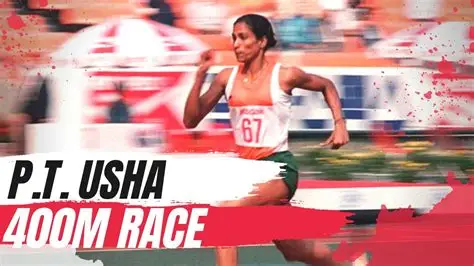
The grooming story of Hockey was repeated with Women’s cricket . Mitali Roy and a large number of women cricketers were from Railways.
There were difficult spots too as in case of Hockey legend Pragat Singh , who joined Punjab Police with out waiting for his resignation being accepted by Railways. He was denied pension till a large hearted General Manager of RCF, got his resignation accepted from back date . Railway made an exception again in national interest.
Railway was not looking for brand ambassadors amongst celebrities but were in the business of grooming celebrities much lake the late Gulshan Kumar.
In later years this slowed down as Vigilance stepped in, killing initiative , risk taking and early recognition of talent . Marks were allotted for winning international and national events and not for being a promising player. Players too treated job as end of tough training routine and were accused of even buying ration for family out of diet allowance ! But in any human society such deviation should be tolerated . But alas our Babudom and vigilance culture kills all innovation or risk appetite.
No where it was demonstrated better than ‘ Cultural Quota ‘ of Railways . It was scarcely used as every one was afraid, how to choose a classical dancer or singer from various Gharanas avoiding vigilance inquiry. Otherwise legendary Shailendra the famous song writer or V. Shanta Ram film maker too were Railwaymen .
The success of Railways has not been replicated by various sports foundations , universities or sports authorities . May be they should do more open soul searching and seek reasons for failure.
I do not think that in the vigilance dominated atmosphere in the country at present , there is any scope for creativity as fear is the worst enemy of creativity and innovation. This also explain India’s failure in innovation too.
The nation must go back to the British days to know the answer!
